15 September 2026
Four kinds of play
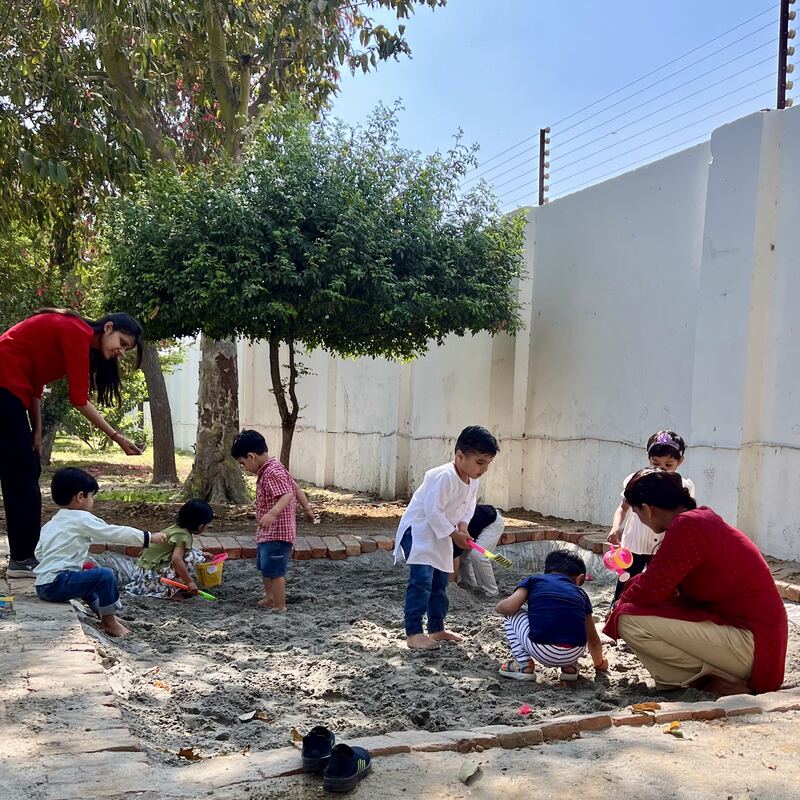
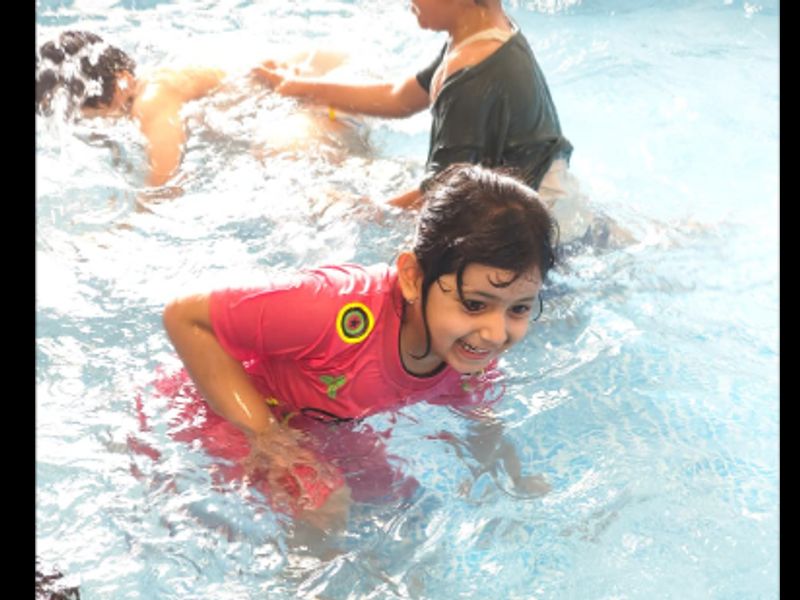
Why every day starts with an hour of Physical, and the four kinds of play it rotates through: structured, messy, risky and free.
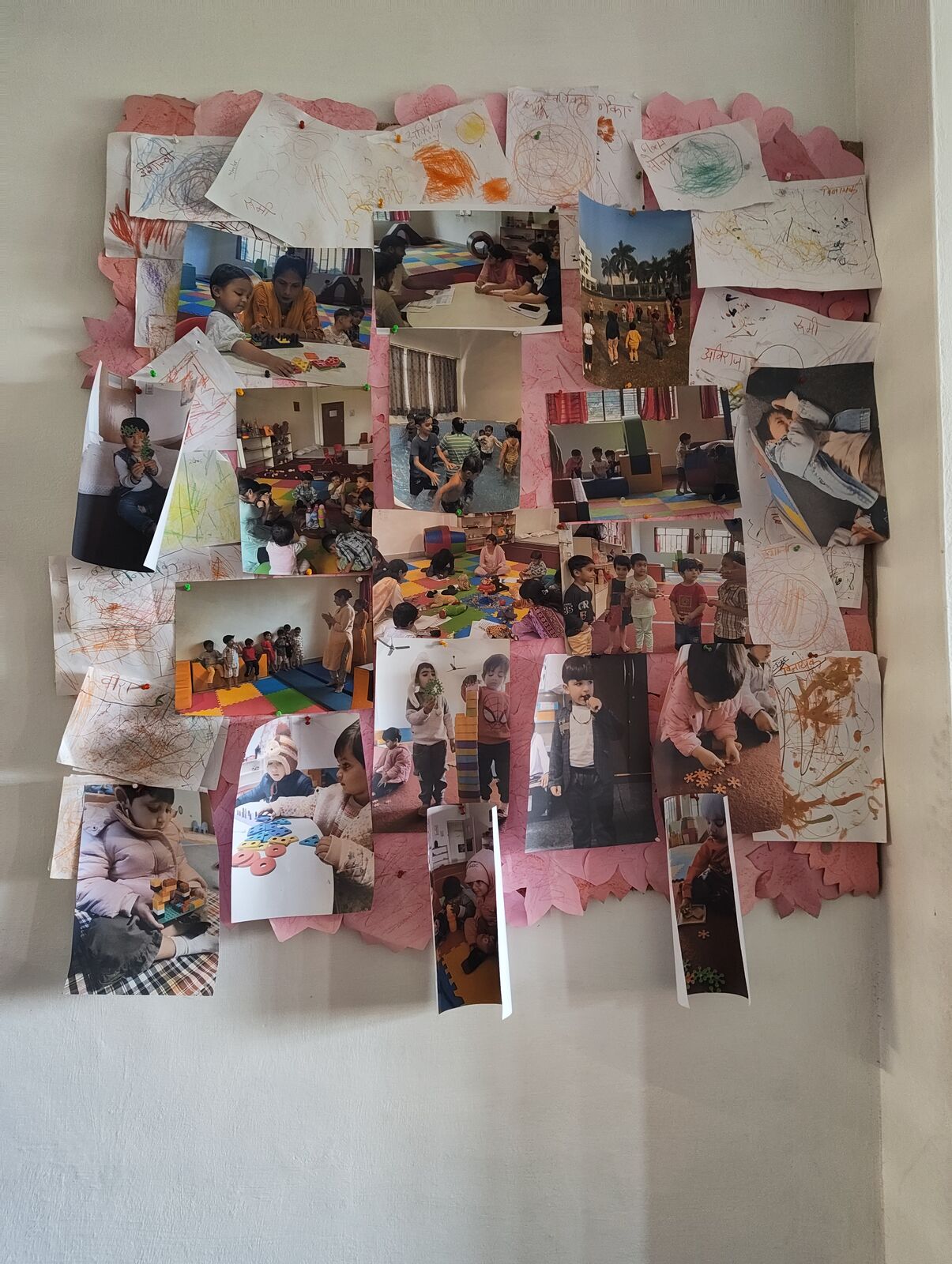
Things that happened, written by someone who was in the room.
“Can we stay a little longer?”
The line heard more than any other at the 2026 summer camp, from the teenagers' post.
15 September 2026
Why every day starts with an hour of Physical, and the four kinds of play it rotates through: structured, messy, risky and free.
15 September 2026
Why we watch instead of setting a paper, what a facilitator's note notices, and an hour with each parent to read it.
14 September 2026
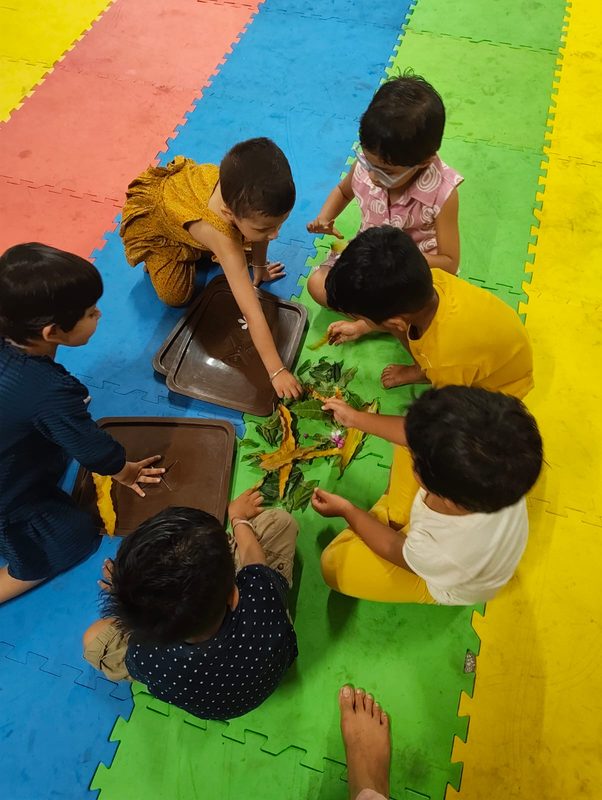
Why, what, when, where, who and how. The school most of us went to, set against Kadam, row by row.
14 September 2026
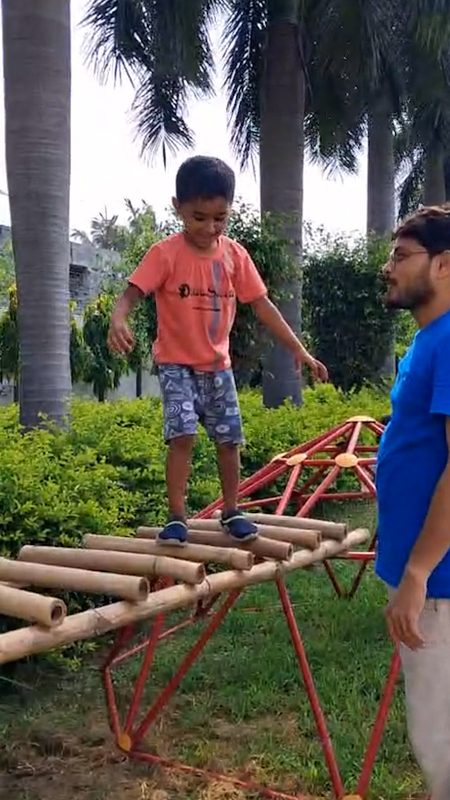
Hindi first, and English after. Speech is acquired and writing is taught, once a child has run into the need for it.
14 September 2026
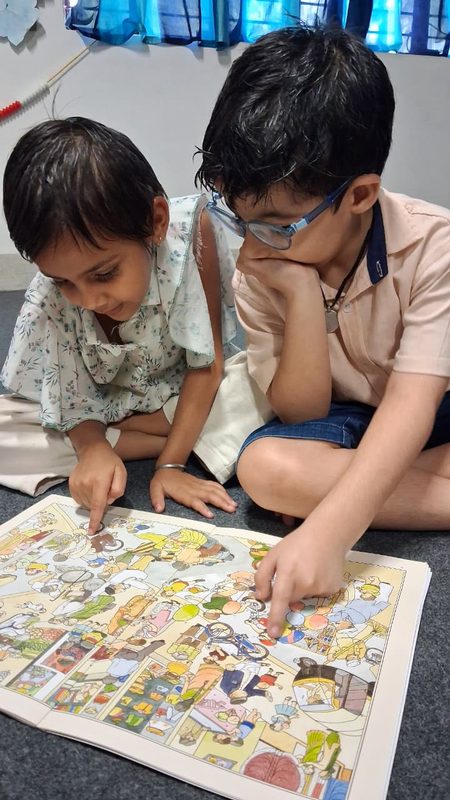
The 4 is a symbol. How numbers turn up in the middle of ordinary life long before counting is introduced as a subject.
14 September 2026
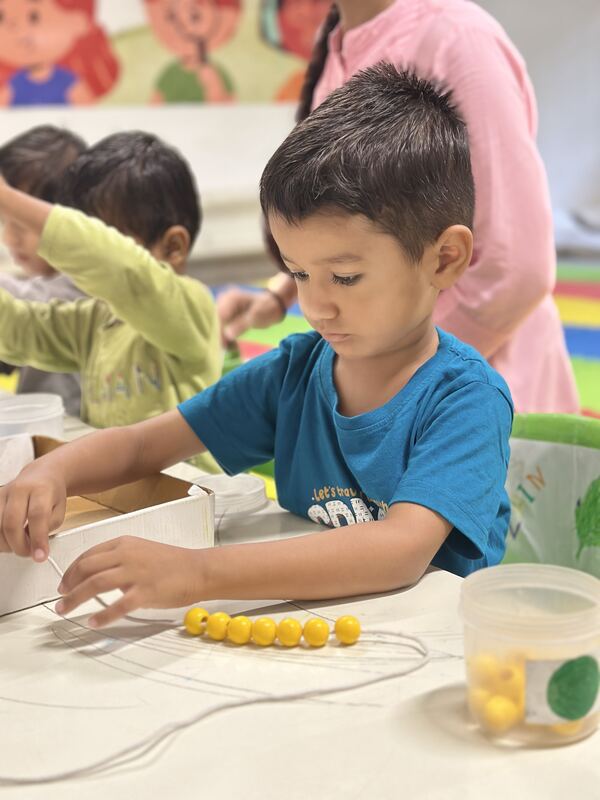
Six children, more than forty stories in Hindi, written down exactly as they were told. The book, and what we learned from making it.
13 September 2026
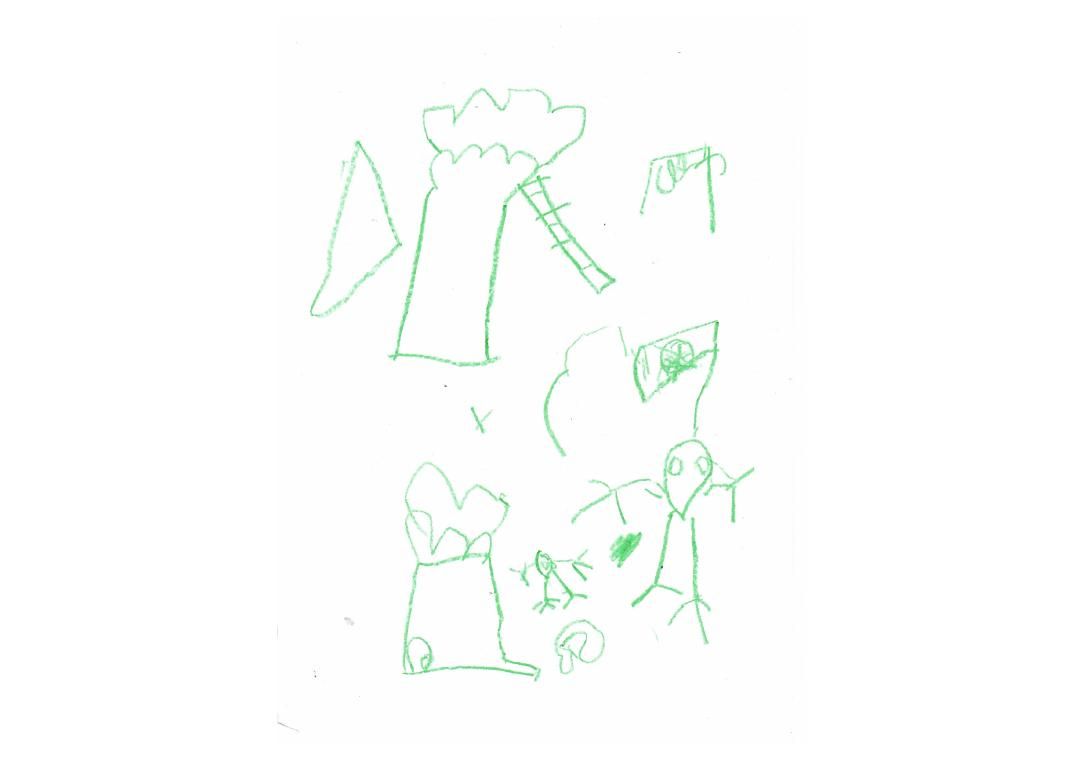
Tagore wrote it in 1918 and it is still the best account of what school can do to a child. Why we keep coming back to it, and what it has to do with a leaf hunt.
3 July 2026
Ten days. A horse built from cardboard, jute and bamboo. A mural that is still on the wall. Children who would not speak in front of a group and ended up on stage. And one line we heard more than any other: can we stay a little longer?
3 July 2026
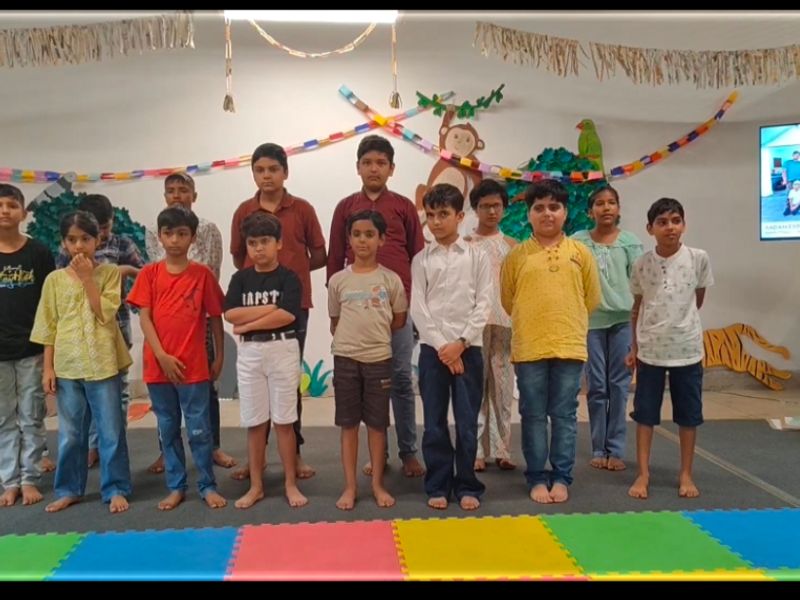
Fourteen children, ten mornings. Beads, clay, what a lemon smells like, how many sounds you can hear with your eyes closed, a leaf described for several minutes, and what the facilitators noticed.
What we are exploring.
Twenty-one schools we have studied, from Ladakh to Bali, and what each one has taught us.
Notes from school are written by the team, whoever was in the room: facilitators, and the people who plan the week.